Sasaki Lab

The University of Tokyo

About

Welcome to Sasaki Lab

At Sasaki Lab, we bring together neuroscience, muscle physiology and sports science to advance our understanding of human movement and health.

Research keywords

Neuromuscular function Muscle physiology Ageing Sarcopenia Recovery from fatigue Sleep Resistance training Blood flow restriction Sports science
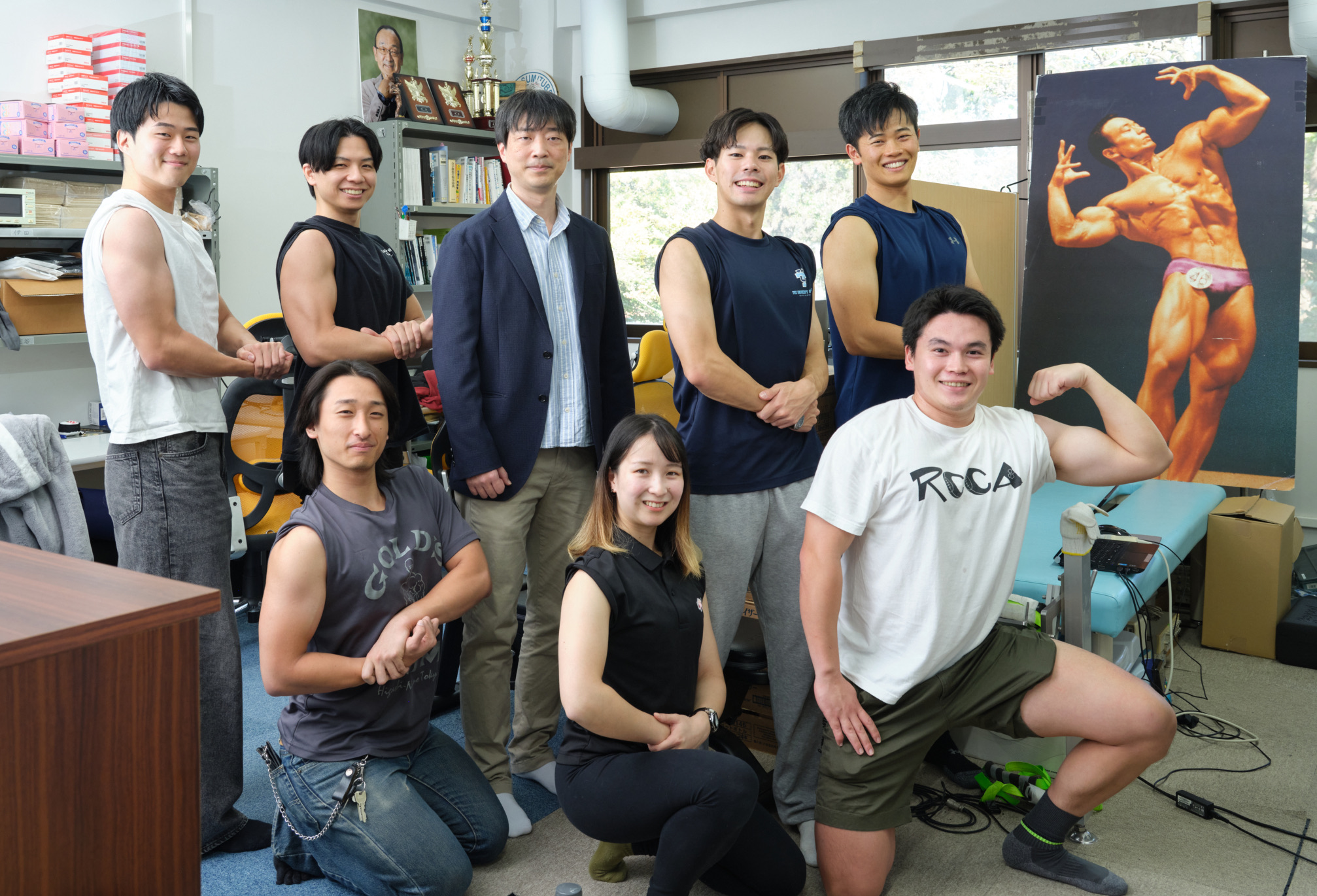
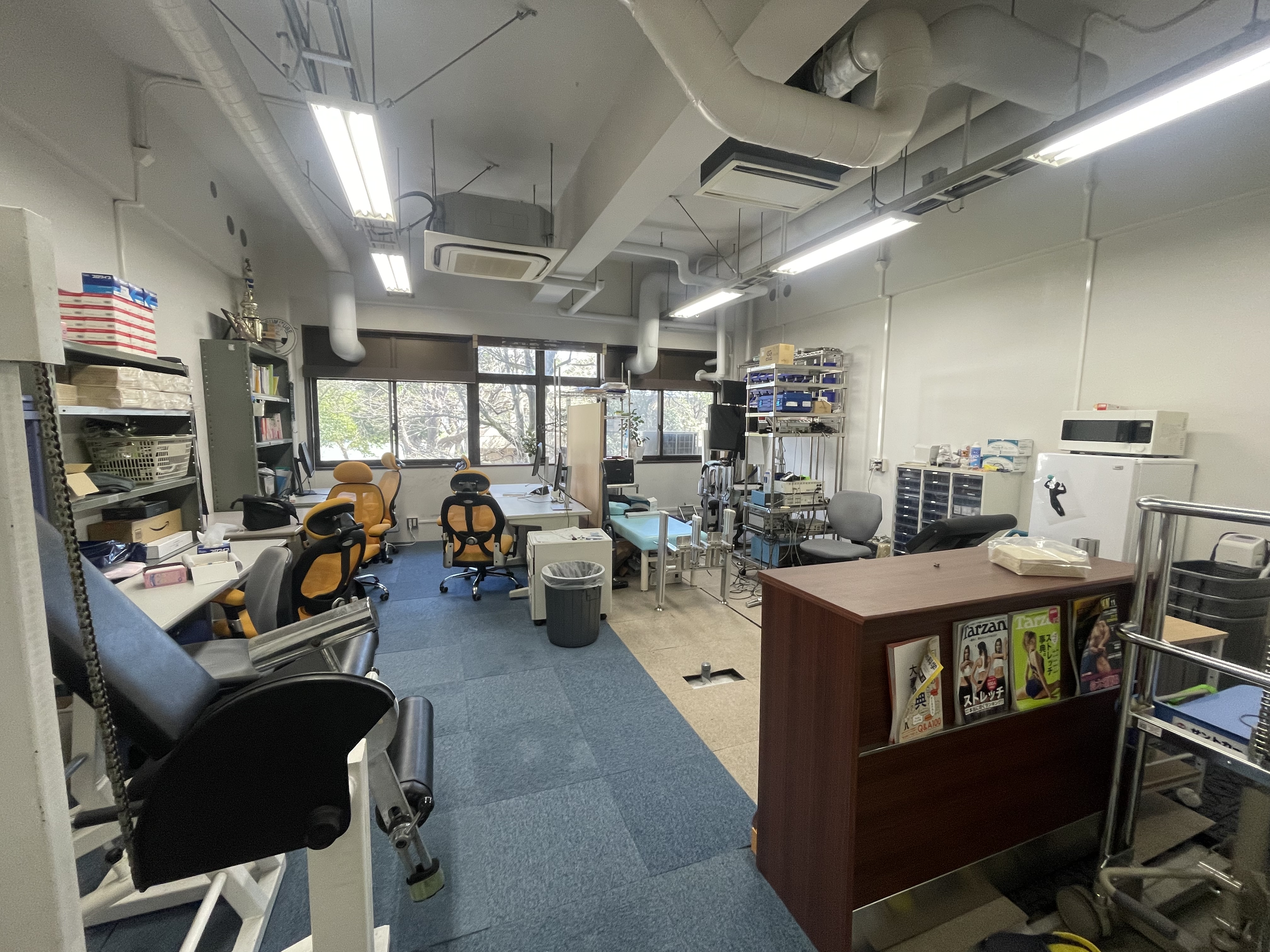
Inside our laboratory

LATEST NEWS

News & Activities

Loading news…

Research

Skeletal muscle is essential for movement and also supports vital functions such as heat production and the secretion of bioactive substances. Our research centres on evaluating skeletal muscle function in humans and investigating its determinants, influences and responses to training. Through this work, we aim to contribute to athletic performance, quality of life in older adults and support for people with disabilities. We also develop new ways to assess the human body and evaluate tools such as health devices, wearable sensors and sportswear.

1. Understanding skeletal muscle quality

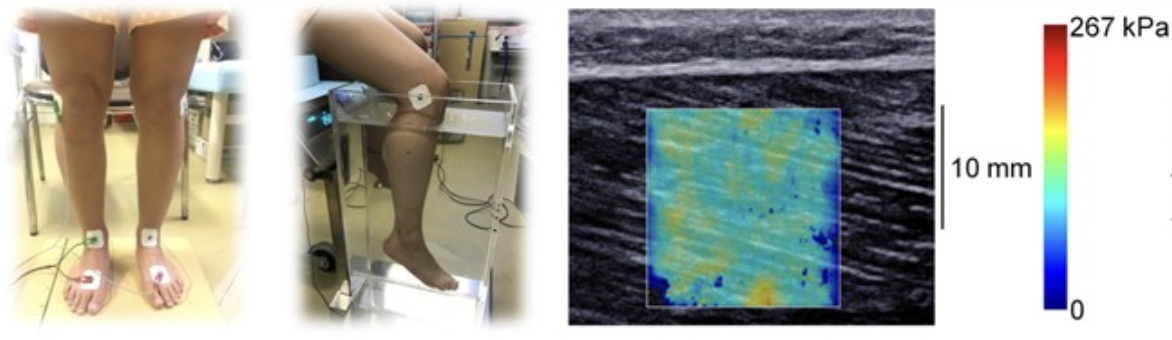
Unlike muscle size, muscle quality has several dimensions and is difficult to define with a single measure. How should it be assessed? Can it be changed? How does it relate to muscle function, physical performance and health? We investigate these questions using electrical and magnetic stimulation, surface electromyography and ultrasound shear-wave elastography.
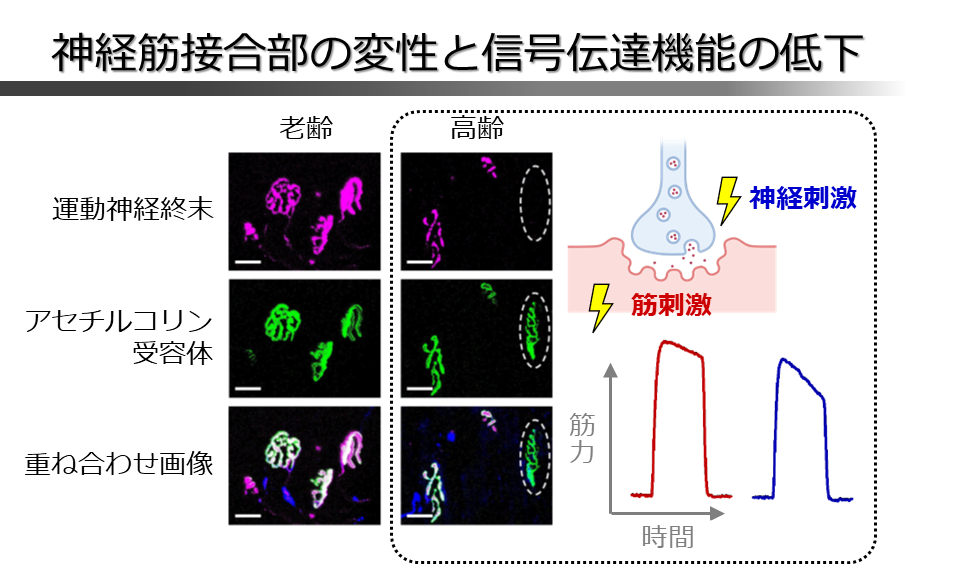
Research on skeletal muscle quality (figure labels in Japanese)

2. Systemic effects of exercise and training

Exercise and training can affect the whole body beyond improving fitness or reducing body weight. Understanding these systemic effects may help more people recognise the value of physical activity. With a particular focus on young women, we examine changes in body shape, body image—including perceptual distortion and dissatisfaction—autonomic nervous system activity and sleep quality.

Systemic effects of exercise (figure labels in Japanese)

3. New methods for physiological and psychological assessment

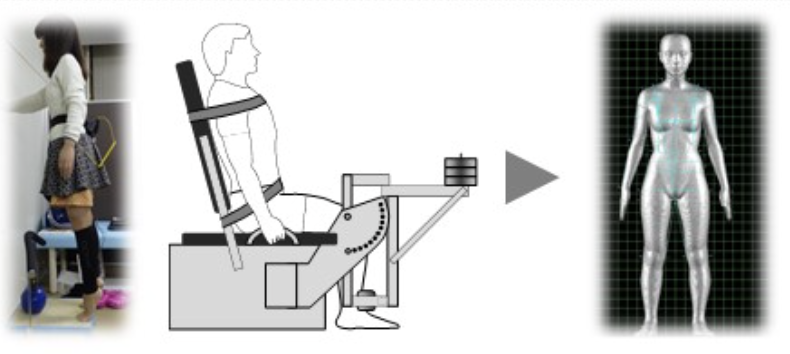
The human body is a complex system, and many research questions cannot be addressed with standardised instruments or methods. We build custom equipment and adapt existing techniques to develop new physiological and psychological measures. Our work includes an in-vivo method for measuring unloaded shortening velocity in human skeletal muscle, a multidimensional assessment of leg swelling and a computer program for quantifying body image in women.

New assessment methods (figure labels in Japanese)

Members

Faculty

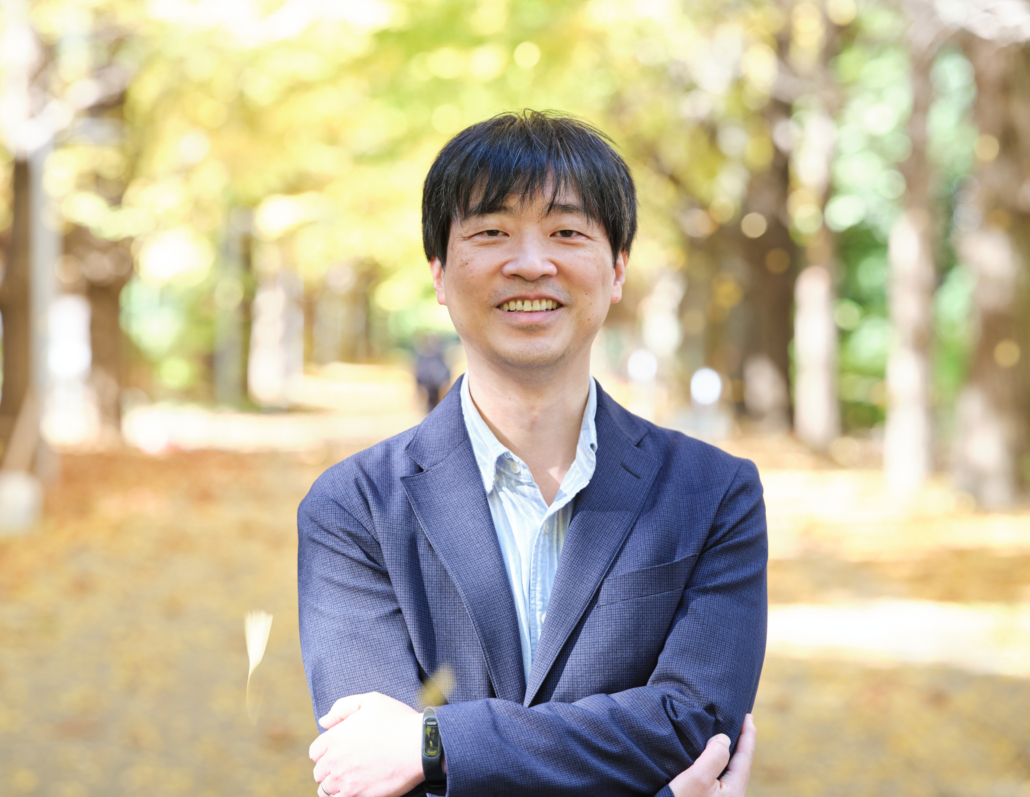
Kazushige Sasaki, Associate Professor

Kazushige Sasaki Associate Professor

Associate Professor, PhD

Kazushige Sasaki is an Associate Professor in the Graduate School of Arts and Sciences at the University of Tokyo. He completed graduate studies in physical education at the University of Tsukuba and in arts and sciences at the University of Tokyo, where he earned his PhD. After serving as an Assistant Professor at the University of Tokyo and as a Lecturer and Associate Professor at Japan Women’s University, he took up his current position in April 2019. He has also served as Secretary-General of the UTokyo Sports Science Initiative (UTSSI) since April 2020 and as head of its Asia Well-being Research (Yakult) Endowed Research Section since April 2025. His research in exercise physiology focuses on human muscle, its responses to ageing and training, and its relationship with physical performance and health. He has supervised popular-science books about muscle, including a Japanese-language introduction published by Newton Press.

Assistant Professor

Takaya Kotani

Project Researcher

Akito Ida

Doctoral Students

  • Hikaru Kato
  • 徐 杰瑞
  • Kazutaka Ota (JSPS Research Fellow, DC2)
  • 三谷 諒 (JSPS Research Fellow, DC2)
  • 木村 翔平
  • 豊田 優也 (JST SPRING programme)

Master’s Students

  • 吉村 寿太郎
  • 栗橋 賢介
  • 駒井 清了
  • 天野 佳菜

Undergraduate Students

  • 小松 もも

Alumni

Publications & Achievements

Selected Papers

View all

Conference Presentations

View all

Awards

View all

Facilities & Equipment

Measurement Equipment

  • Electromyography systems
  • Muscle strength measurement systems
  • Near-infrared spectroscopy (NIRS) systems
  • Electrical stimulators
  • Blood lactate analysers
  • Blood flow restriction devices
  • Ultrasound systems

Access

Location

Postal code: 153-8902, Japan
3-8-1 Komaba, Meguro-ku, Tokyo
Building 9, Komaba Campus, The University of Tokyo

Nearest Station

A three-minute walk from Komaba-todaimae Station on the Keio Inokashira Line.

Take Part in Our Research

We welcome people interested in taking part in our research.
Please visit our participant information page to learn more.